
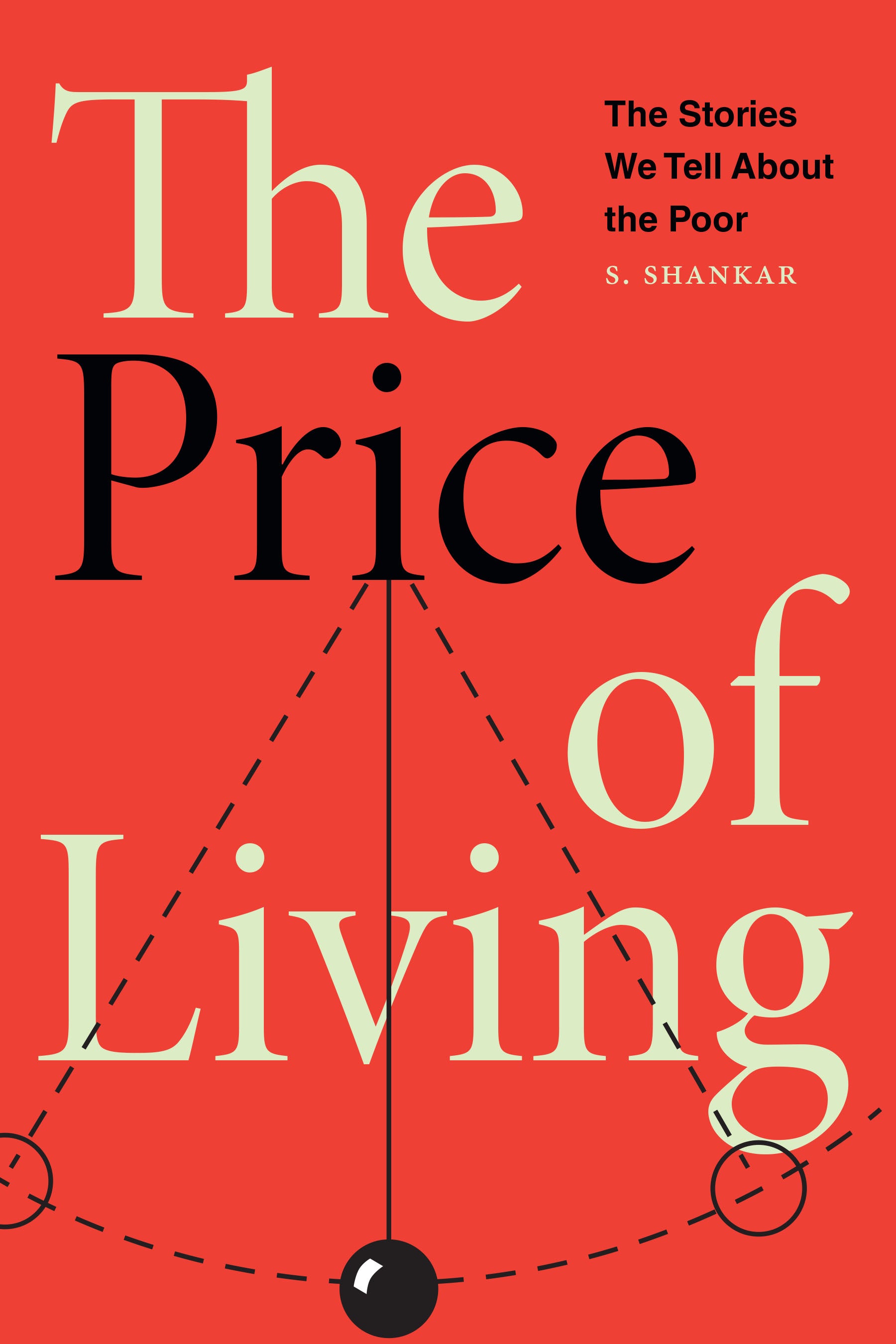
We have been talking for so long about ERADICATING poverty. Time to start imagining how to ABOLISH it?
Praise
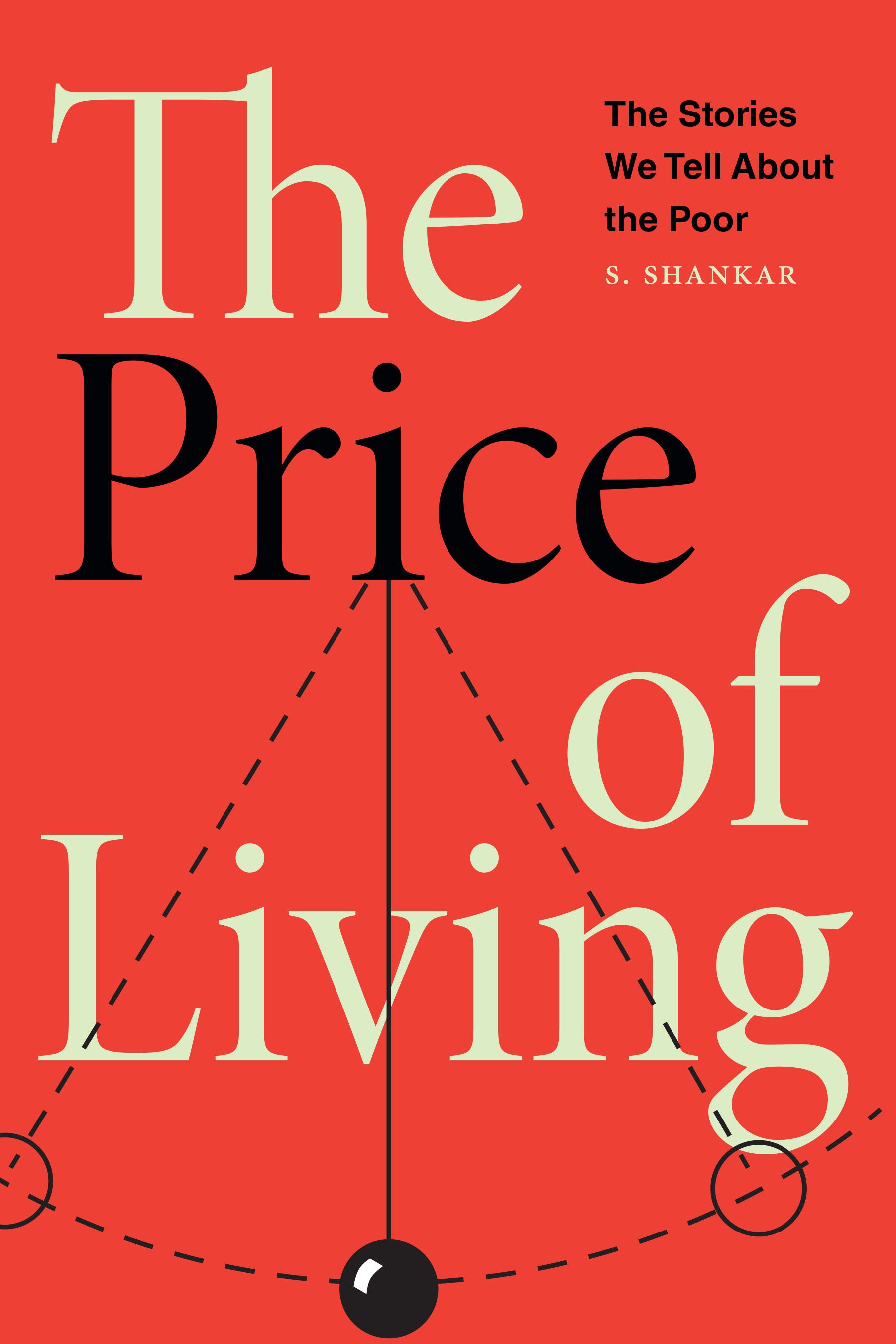
“A magnificently ambitious book whose strengths include rigorous and consummate scholarship, genuine intellectual and ethico-political passion, a willingness to take risks, a fresh and invigorating perspective on the theme of poverty, and finally an organic brilliance that testifies to a sensibility that seeks to connect Home with World, academic thinking with vernacular reality.” – Rajagopalan Radhakrishnan, author of History, the Human, and the World Between
“S. Shankar turns away from sociological approaches to global poverty and finds important resources in fictional works that convey the affective and cultural impact of poverty from the perspective of those impacted by it. Turning to scenarios of resistance and alternative social formations, Shankar addresses poverty as a cause for abolition rather than amelioration. Persuasive and with impressive scholarly grounding, Shankar’s argument presents an important contribution both to the literature on poverty and to postcolonial and leftist theory.” – David Lloyd, author of Under Representation: The Racial Regime of Aesthetics
Introduction to The Price of Living can be read for free here.
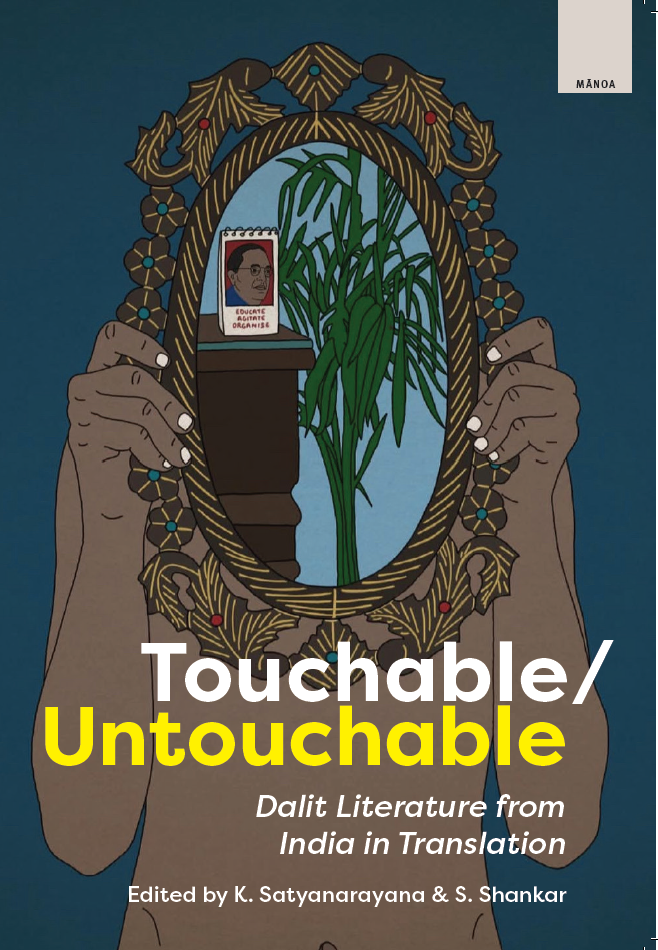
In the last twenty-five years, Dalit literature has experienced a boom in publication in India. Only a small portion of this boom has found its way outside India in translation.
Introduction reprinted in The Wire can be read for free here.
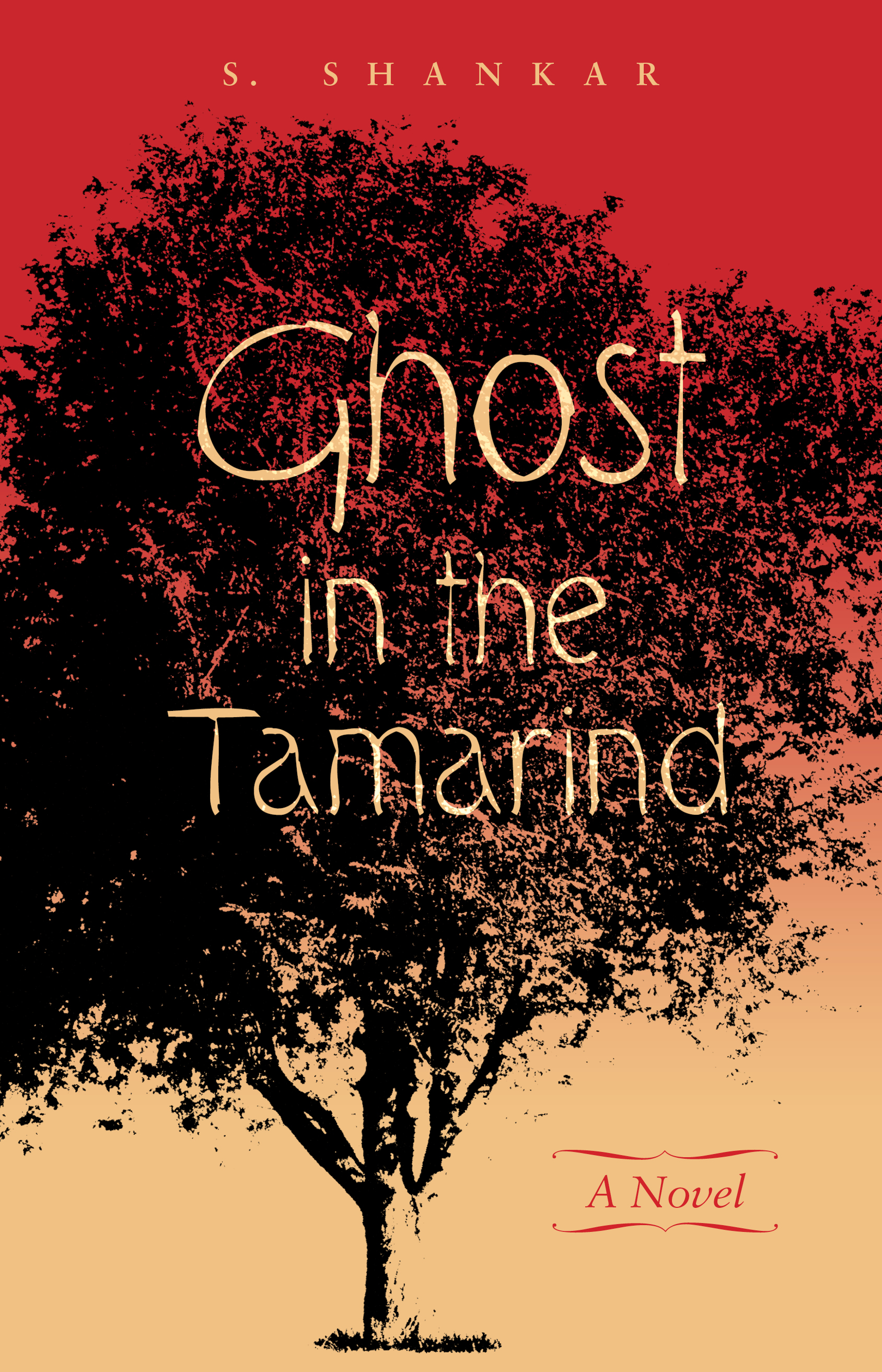
Who can you love? What do you owe to love and what to the world at large?
Praise
“S. Shankar captures well the rigidity of caste hierarchy in the countryside. . . . [T]his novel of forbidden love is well-crafted. It is also timeless.” The Hindu
“Subversions, transgressions, and transcending boundaries are at the center of Ghost in the Tamarind, and Ramu, a Brahmin with a revolutionary heart, is a fitting protagonist. One of the novel’s many pleasures is its seamless weaving of historical contexts, all the more impressive for its range, from the nineteenth century to the 1970s.” Samrat Upadhyay
VIDEO: On GHOST IN THE TAMARIND: A NOVEL

Feel the urge to read some dystopian postcolonial climate-fiction?
Follow this link to…

